July 23, 2026
Maintaining a home’s plumbing system is essential for comfort, efficiency, and long-term reliability. Many homeowners only think about calling a plumber when something goes wrong, such as a leak or a clogged drain. However, regular attention to your plumbing system can help prevent unexpected issues and costly repairs. Understanding how often you should see a plumber is key to keeping everything running smoothly. Taking a proactive approach allows you to stay ahead of problems before they interfere with daily life.
Plumbing systems experience daily use, which means wear and tear is inevitable over time. Pipes, fixtures, and drainage systems all require periodic evaluation to ensure they continue to function properly. Waiting until a problem becomes obvious can lead to more extensive damage and inconvenience. This is why proactive maintenance is an important part of responsible homeownership. Even small issues can worsen if they are left unaddressed for too long.
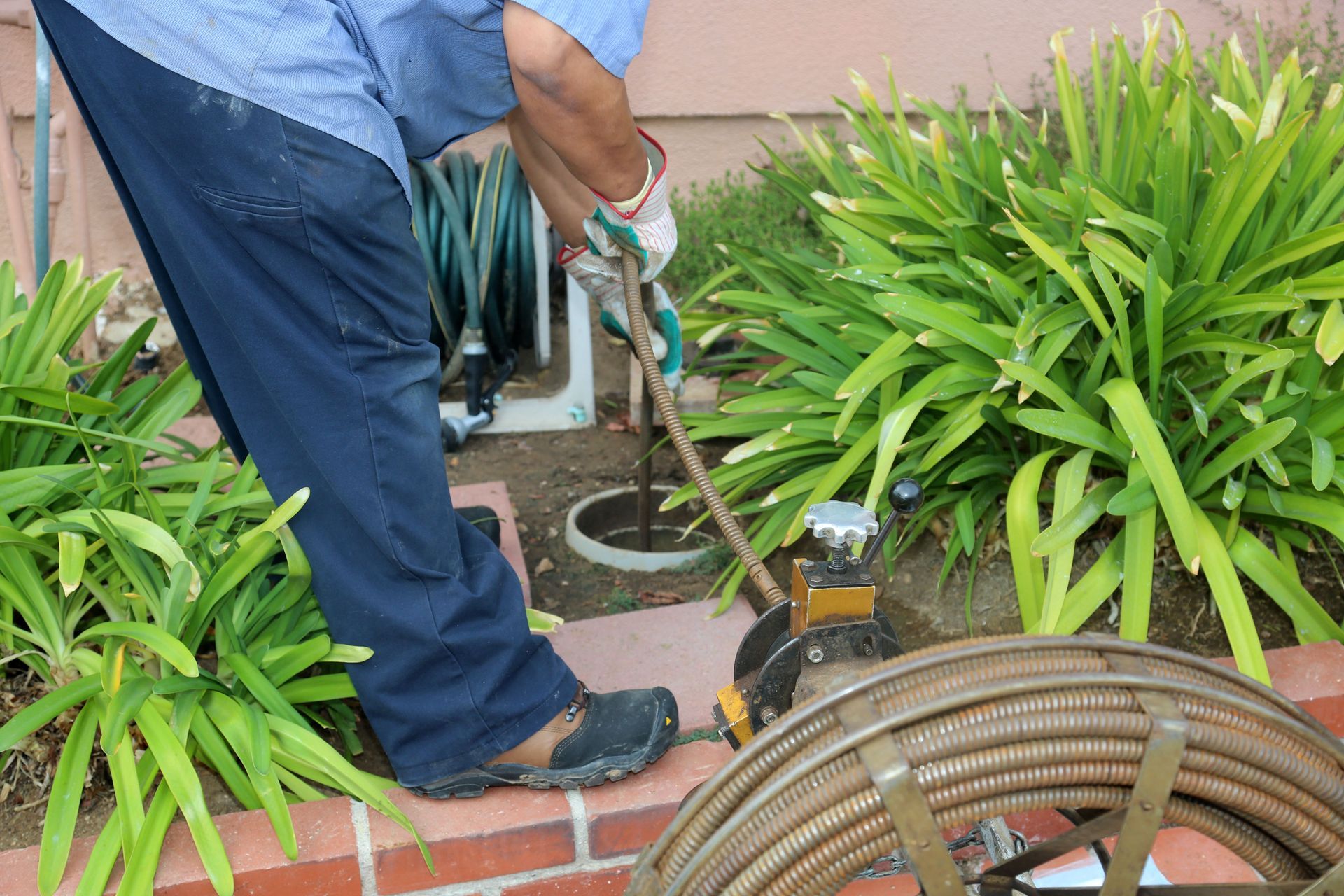
According to Therma.com, most plumbing systems benefit from professional maintenance at least once a year. This recommendation highlights the importance of routine inspections in identifying potential problems early. In addition to general maintenance, services like septic pumping play a vital role in keeping your system operating efficiently and preventing long-term complications. Consistent care helps maintain performance and reduces the likelihood of unexpected disruptions.
We’ve seen how consistent care can make a significant difference in preventing issues and extending the life of plumbing systems. Staying on top of maintenance helps homeowners feel more confident in the reliability of their plumbing.
Scheduling Annual Plumbing Inspections
Checking Overall System Condition
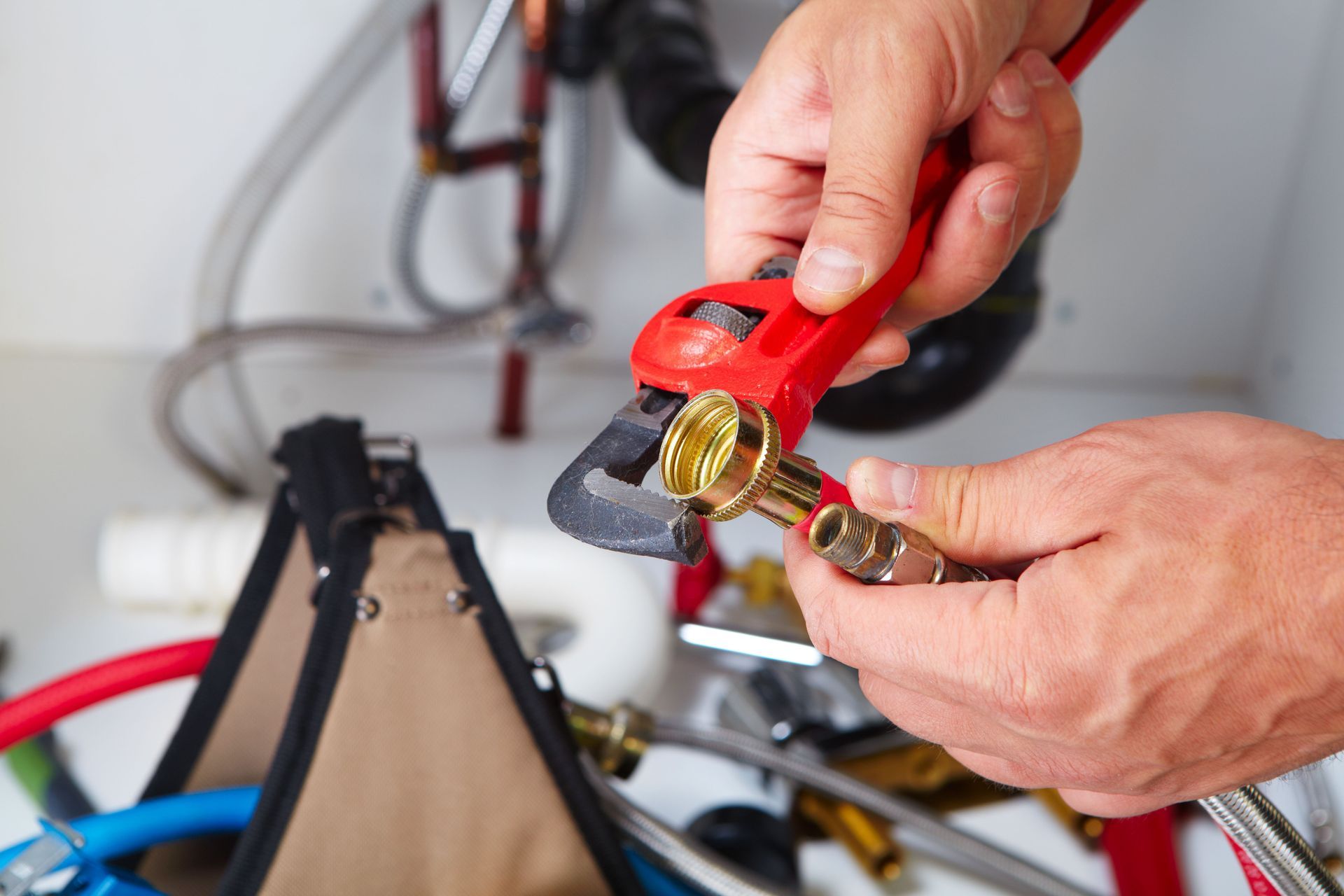
An annual inspection allows a plumber to evaluate the overall condition of your plumbing system. This includes pipes, fixtures, and drainage components. Identifying small issues early helps prevent them from turning into major problems. Regular inspections also provide a clear picture of how your system is performing over time.
Detecting Hidden Leaks
Not all leaks are immediately visible. Some develop behind walls or under floors, causing damage over time. Routine inspections help detect these hidden issues before they lead to costly repairs. Early detection can also help protect surrounding materials from water damage.
Evaluating Water Pressure
Proper water pressure is essential for efficient plumbing performance. Too much pressure can strain pipes, while low pressure may indicate underlying issues. Regular checks help maintain balance and system health. Stable pressure also improves daily water usage throughout the home.
Maintaining Septic System Efficiency
Annual visits also allow professionals to assess systems that require septic pumping. Keeping this component in good condition helps prevent backups and ensures smooth operation. Proper maintenance also supports better long-term system performance.
Scheduling yearly inspections is one of the most effective ways to maintain your plumbing system and avoid unexpected disruptions. It creates a consistent routine that supports overall system health.
Addressing Seasonal Plumbing Changes
Preparing for Winter Conditions
Cold weather can put additional stress on plumbing systems. Freezing temperatures may cause pipes to expand or crack. A seasonal check helps ensure your system is ready for these conditions. Preparing ahead of time helps reduce the risk of winter-related damage.
Managing Increased Summer Usage
During warmer months, water usage often increases. This added demand can reveal weaknesses in the system. Regular evaluations help ensure everything continues to function efficiently. Consistent monitoring helps maintain performance during peak usage periods.
Monitoring Outdoor Plumbing Fixtures
Outdoor faucets and irrigation systems require attention as seasons change. Checking these components helps prevent leaks and ensures proper operation. Well-maintained fixtures contribute to better water efficiency.
Supporting Drainage Performance
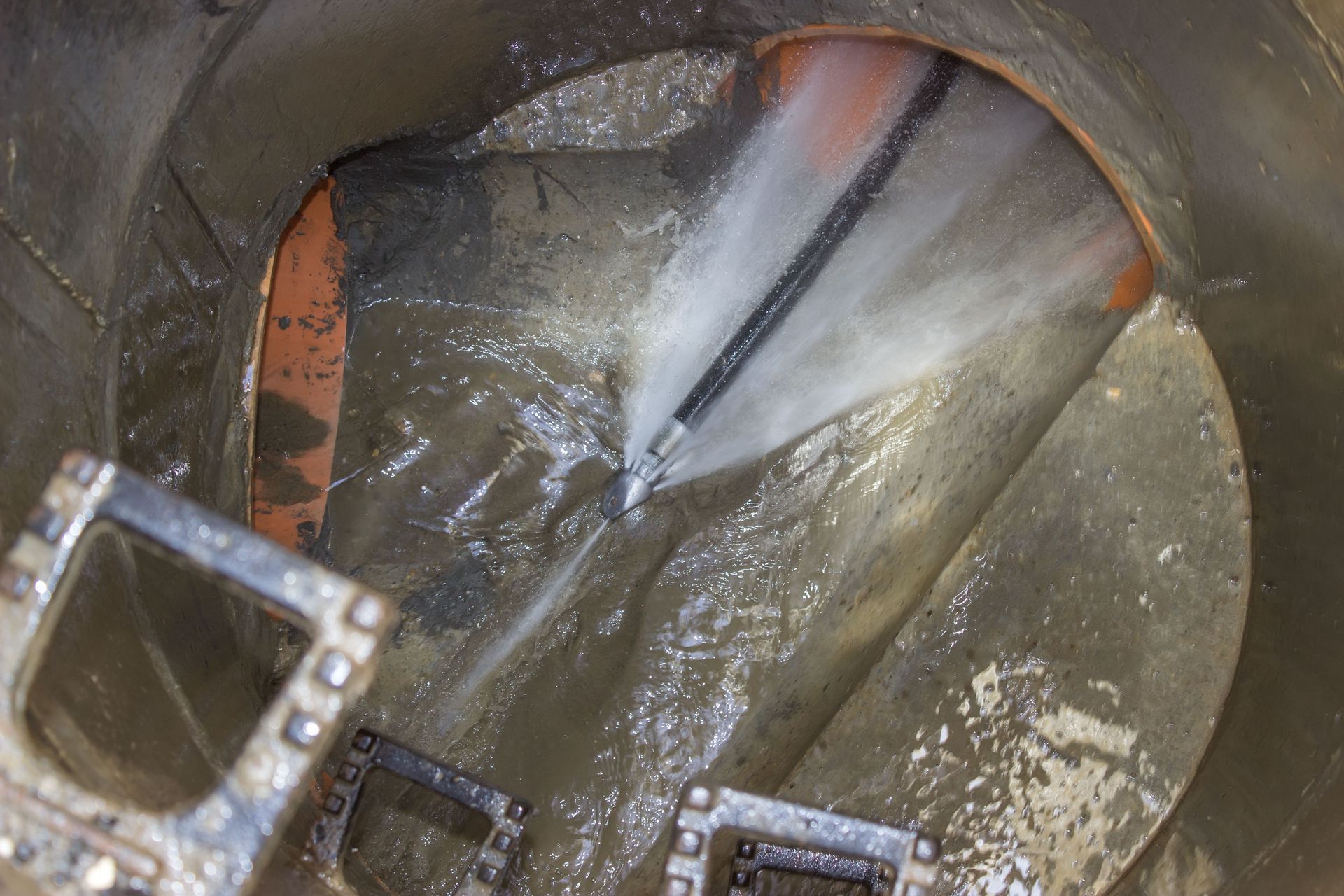
Seasonal debris and weather changes can impact drainage systems. Routine maintenance helps prevent clogs and supports efficient water flow. This helps reduce the likelihood of unexpected blockages.
Seasonal adjustments are an important reason to schedule visits, especially when your system includes components that require septic pumping for optimal performance. Staying proactive helps maintain consistency throughout the year.
Responding to Warning Signs Early
Noticing Slow Drains
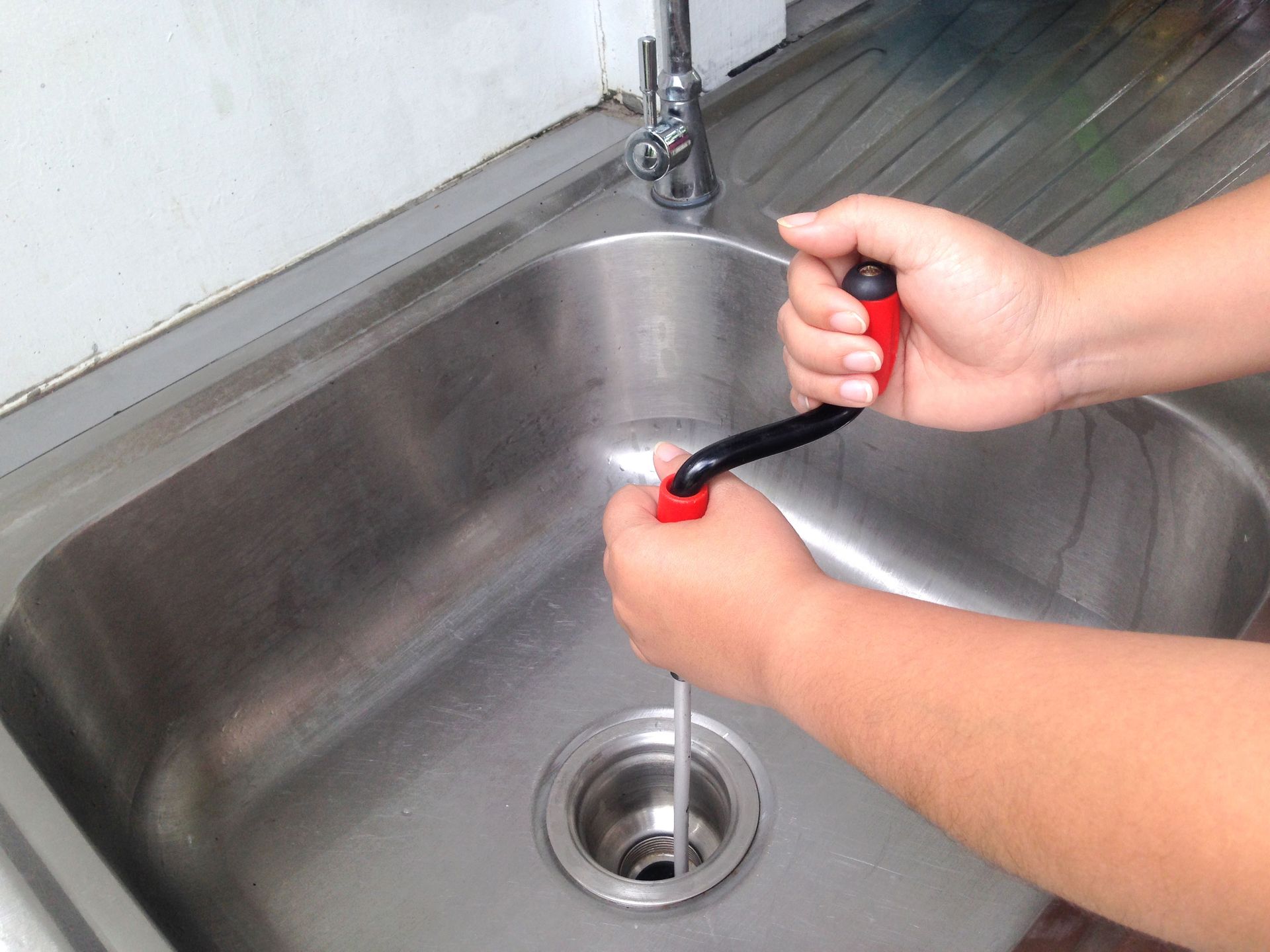
Slow drainage can indicate a buildup within pipes. Addressing this issue early helps prevent complete blockages and more extensive repairs. Quick action helps maintain proper flow throughout the system.
Observing Unusual Odors
Foul odors may signal problems within the plumbing system or septic tank. These issues often require professional attention to resolve effectively. Eliminating odors improves both comfort and indoor air quality.
Hearing Unusual Pipe Noises
Strange sounds such as banging or gurgling can indicate pressure imbalances or blockages. Early evaluation helps identify and address the cause. Addressing these noises promptly can prevent further complications.
Seeing Water Stains or Moisture
Visible signs of moisture may point to leaks or hidden damage. Prompt action helps prevent further complications. Identifying the source early can help limit repair costs.
Recognizing these warning signs and seeking professional help early can reduce the need for more extensive repairs, especially when septic pumping is part of the solution. Early intervention often leads to better outcomes.
Maintaining Septic System Health
Preventing Tank Overflows
Septic systems require regular maintenance to prevent overflow and backups. Routine service helps keep the system functioning properly. Preventing overflows also protects surrounding areas from contamination.
Supporting Proper Waste Breakdown
Over time, waste accumulates within the tank. Regular septic pumping helps maintain the balance needed for efficient operation. This process supports smoother system performance.
Reducing Risk of System Failure
Neglected septic systems can lead to serious issues, including system failure. Consistent maintenance helps avoid these costly problems. Regular care helps extend the life of the system.
Protecting Surrounding Property
Proper septic care helps prevent contamination of surrounding areas. This protects both your property and the environment. Maintaining this balance is essential for long-term reliability.
Regular septic pumping is essential for maintaining system health and preventing disruptions that can affect your home. Consistency in care makes a noticeable difference.
Supporting Long-Term Plumbing Performance
Extending System Lifespan
Routine maintenance helps extend the life of your plumbing system. Addressing minor issues early reduces overall wear and tear. Long-term care supports consistent performance.
Improving Efficiency
Well-maintained systems operate more efficiently, reducing water waste and improving performance. This contributes to better overall functionality. Efficient systems also support lower utility costs.
Reducing Repair Costs
Preventive care often costs less than major repairs. Regular service helps minimize unexpected expenses over time. Planning ahead helps reduce financial strain.
Enhancing Daily Comfort
Reliable plumbing systems support everyday activities without interruption. Consistent performance improves overall comfort in the home. This reliability contributes to a better living experience.
By scheduling regular visits and incorporating septic pumping into your maintenance routine, you can support long-term performance and reliability. This approach helps keep your system functioning smoothly.
Planning for Major Plumbing Upgrades
Evaluating System Capacity
As homes change, plumbing systems may need to accommodate new demands. Professional evaluations help determine if upgrades are necessary. This ensures your system can handle increased usage.
Identifying Aging Components
Older systems may require updates to maintain performance. Regular inspections help identify components that need replacement. Replacing aging parts helps improve reliability.
Preparing for Renovations
Home improvements often involve plumbing adjustments. Consulting a professional ensures these changes are handled correctly. Proper planning helps avoid complications.
Ensuring System Compatibility
Upgrades should align with existing systems for optimal performance. Professional guidance helps ensure compatibility and efficiency. This supports smoother operation after upgrades are completed.
Planning ahead with regular visits and services like septic pumping helps ensure your plumbing system remains adaptable and reliable. Forward-thinking maintenance supports long-term success.
Maintaining a healthy plumbing system requires consistent attention and proactive care. From annual inspections to addressing warning signs and scheduling necessary services, regular visits play a key role in preventing issues and supporting long-term performance. Understanding how often to see a plumber helps homeowners stay ahead of potential problems and maintain a reliable system. A well-planned maintenance schedule can make daily life more convenient.
By prioritizing routine maintenance and incorporating services such as septic pumping, homeowners can protect their investment and enjoy greater peace of mind. A well-maintained system not only performs better but also helps avoid unexpected disruptions and costly repairs. Consistent care supports both functionality and long-term value.
If you’re ready to keep your plumbing system running smoothly, contact Drain Surgeons today to schedule professional service and ensure your home remains efficient and reliable year-round.