November 25, 2026
Trenchless sewer repair is an innovative, highly efficient solution for addressing below-ground pipe issues without extensive digging. This modern technique captivates property managers seeking to preserve their carefully maintained landscapes while resolving pressing plumbing complications. In a world where saving time and promoting sustainability carry heavy weight, this approach stands out.
Understanding Trenchless Techniques
This category of restoration encompasses a broad range of methods utilized to fix pipes without the destructive excavation associated with older practices. Unlike conventional digging, these modern tactics employ advanced technologies to minimize surface disturbance. This innovative approach makes it a preferred option in densely populated urban environments, where ground disruption must remain minimal. Targeted strategies allow repair crews to address severe underground line failures while protecting the topsoil.
The origins of these underground solutions date back many decades, but significant leaps forward have occurred in recent years. Initially introduced as a direct response to public demand for less invasive maintenance methods, the field has steadily evolved with advancements in materials. Innovations such as directional drilling highlight the ongoing evolution of this vital industry. Its steady development acts as a testament to the plumbing sector's commitment to improving ecological efficiency.
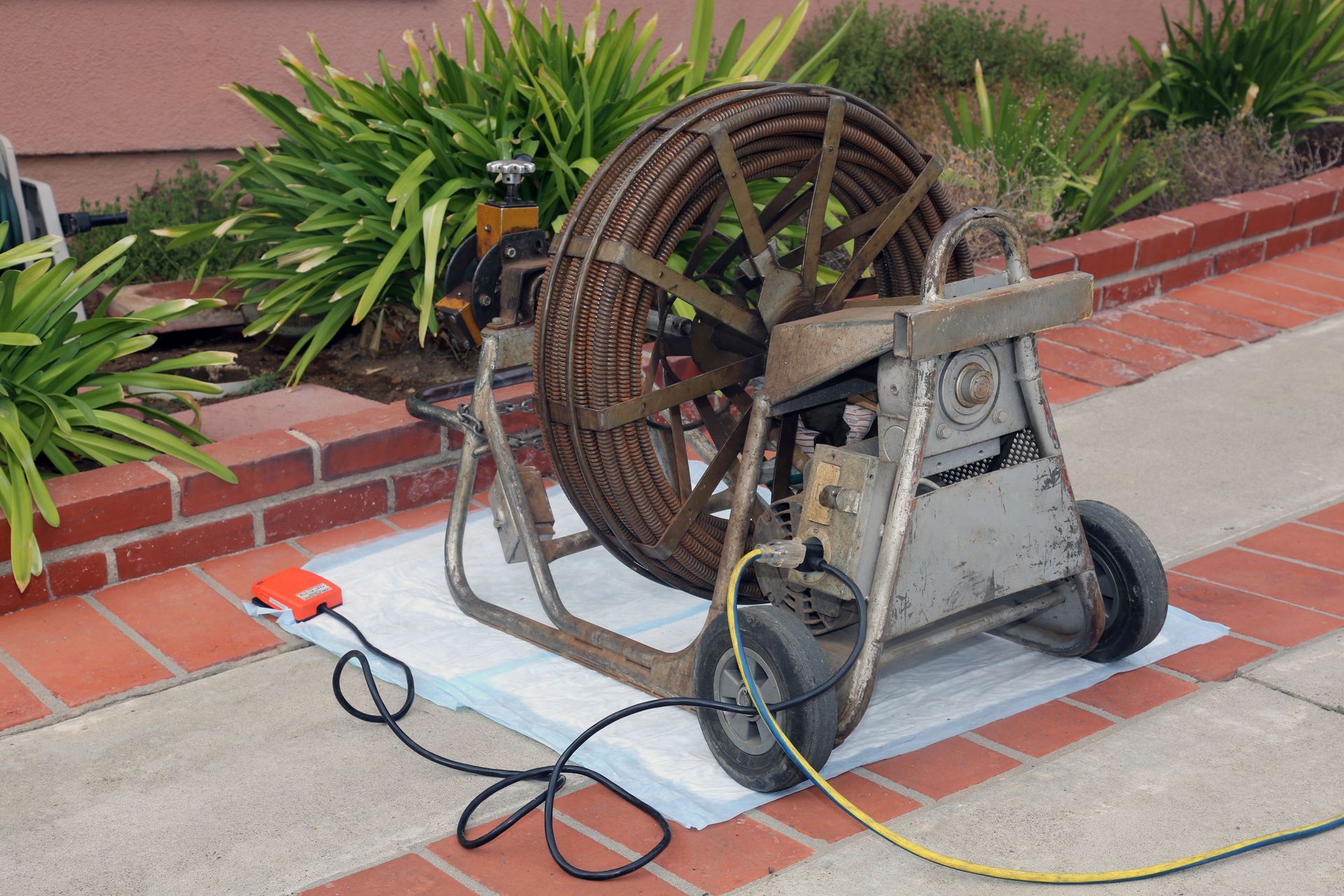
Operating these systems requires state-of-the-art equipment to resolve underlying pipe faults without massive trenches. Techniques like pipe bursting employ hydraulic systems to fracture existing pipes while simultaneously pulling fresh pipelines into the exact same space. Similarly, cured-in-place lining involves inserting a resin-coated liner into current pipes, which hardens to form a durable new structure. The tools used in these processes enable precise execution, greatly minimizing disruption to surrounding neighborhoods and busy local businesses.
Evaluating the Core Benefits
One of the most significant advantages of trenchless sewer repair revolves around the minimal disruption it causes to residential yards. Conventional methods of underground restoration often involve massive digging, which can ruin lawns, gardens, and sidewalks. In contrast, these refined techniques typically require only a few small access points, preserving the existing landscape. This visual advantage remains particularly important to property owners seeking to maintain the aesthetic integrity of their real estate.
These modernized solutions offer a highly cost-effective alternative to heavy excavation-based methods. Although the initial estimate for specialized equipment might seem high, overall expenses are lower when factoring in reduced labor and eliminated landscaping restoration costs. The highly efficient nature of these methods means crews finish projects quickly. According to Houzz, 62% of people prefer using local plumbers rather than national chains for emergency plumbing issues, making community experts an affordable and trusted choice.
Time efficiency remains another massive benefit of utilizing these advanced underground techniques. Older practices can take several days or even weeks to complete, depending on the structural damage and excavation required. In contrast, non-invasive alternatives can often reach completion in a matter of hours, largely thanks to the vastly reduced need for digging huge trenches. The quick turnaround time minimizes massive inconveniences, allowing businesses and households to resume normal daily operations with almost zero delay.
Reviewing Common Repair Methods
Pipe bursting stands as a highly popular methodology used to replace old, crumbling infrastructure with fresh pipes. The process involves pulling a specialized bursting head through the failing pipe, fracturing it outward, and immediately installing a replacement pipeline. This method proves particularly useful for cases of severe structural damage or when increasing flow capacity becomes a requirement. Bursting can effectively handle various materials, providing a highly versatile solution for many unique residential scenarios.
Cured-in-place pipe lining serves as another highly effective strategy that involves creating a completely new pipe within an existing damaged one. Using a resin-soaked liner, technicians insert and inflate it within the failing structure. This allows the strong resin to cure and harden, thus forming a seamless new barrier. This tactic remains highly effective for sealing stubborn leaks and pervasive cracks without the need for destructive digging operations across the property.
Slip lining involves gently inserting a smaller, highly durable pipe into a larger failing pipe to restore functionality and stop leaks. This specific method works best for long underground sections where a minor size reduction remains acceptable, given the beneficial trade-off for fully restored structural integrity. Slip lining acts as an ideal defense against future leaks by reinforcing the current system. Careful planning can easily mitigate any minor impacts on interior water flow capacity.
Addressing Challenges and Limitations
One of the primary challenges of trenchless sewer repair involves dealing with widely varying soil conditions across different properties. Different soil types can heavily impact the feasibility and overall effectiveness of these techniques, requiring careful assessment before work begins. For instance, sandy or rocky soils may pose complications in processes such as directional drilling. Proper evaluation by experienced plumbing professionals helps in determining the most suitable technique for the prevailing local soil conditions.
The location and depth of existing underground infrastructure can significantly influence the overall success of trenchless sewer repair. Pipes located deep underground or in hard-to-reach areas may complicate the swift implementation of certain highly advanced techniques. Easy access often stands as a critical factor, dictating the exact extent of minor excavation needed to initiate the restoration. Accurate pipe location assessments and advanced mapping technologies remain extremely crucial in successfully overcoming these hidden logistical challenges.
Potential impacts on interior flow capacity serve as major considerations when executing trenchless sewer repair. Methods like slip lining, which involve installing a smaller diameter tube within an existing one, can reduce the overall water flow capacity. Advanced planning and precise volume calculations help mitigate these effects, ensuring the flow remains adequate post-restoration. In scenarios where preserving maximum flow capacity is critical, alternative methods like pipe bursting might prove far more appropriate overall.
Finding a Qualified Professional
Finding the right professional for trenchless sewer repair requires diligent research and a willingness to leverage community recommendations. Start by seeking personal referrals from friends, close neighbors, or real estate professionals who have had similar work performed. Online resources, such as local review boards and industry directories, can provide valuable insights into potential local contractors. Property owners must always consider professionals with a proven, well-documented track record of successfully handling complex plumbing projects.
Ensuring that prospective contractors possess all the necessary certifications ensures both high quality and community safety. Industry-specific certifications strongly indicate a professional’s deep understanding of the latest underground techniques and their strict adherence to current safety standards. Verifying active professional licenses and comprehensive insurance coverage is extremely critical to protect against potential property liabilities. Homeowners can remain far more confident in their chosen contractor's technical capability by heavily stressing these important regulatory factors during interviews.
Evaluating the experience and distinct expertise of local service providers stands as an essential step in selecting the right professional. Assess potential contractors by actively inquiring about previous projects similar in scope to your specific needs. A well-established expert should easily provide detailed case studies demonstrating their competence in managing underground restoration. By thoroughly investigating a contractor's professional background, cautious homeowners can make highly informed choices that consistently lead to remarkably successful plumbing outcomes.
This modern plumbing approach offers a highly efficient way to address complicated underground issues with trenchless sewer repair, perfectly balancing structural restoration with minimal environmental disruption. By understanding the distinct methods, robust benefits, and potential limitations of this technology, property owners can confidently navigate their maintenance options. Selecting a knowledgeable and certified professional ensures that the chosen solution aligns perfectly with the specific needs of the landscape and the budget. When you are ready to secure a lasting solution, we at Drain Surgeons encourage you to contact us to schedule your consultation.